Author Archives: bwisnewski

Air Quality in the Home

Air Quality in the Home

by Nick Gromicko, Rob London and Kenton Shepard

Indoor air quality is generally worse than most people believe, but there are things you can do about it.

Some Quick Facts:

  • Indoor air quality can be worse than that of outdoor air.
  • Problems can arise from moisture, insects, pets, appliances, radon, materials used in household products and furnishings, smoke, and other sources.
  • Effects range from minor annoyances to major health risks.
  • Remedies include ventilation, cleaning, moisture control, inspections, and following manufacturers’ directions when using appliances and products.

Research has shown that the quality of indoor air can be worse than that of outdoor air. Many homes are built or remodeled more tightly, without regard to the factors that assure fresh and healthy indoor air. Our homes today contain many furnishings, appliances and products that can affect indoor air quality.

Signs of indoor air quality problems include:

  • unusual and noticeable odors;
  • stale or stuffy air;
  • a noticeable lack of air movement;
  • dirty or faulty central heating or air-conditioning equipment;
  • damaged flue pipes and chimneys;
  • unvented combustion air sources for fossil-fuel appliances;
  • excessive humidity;
  • the presence of molds and mildew;
  • adverse health reaction after remodeling, weatherizing, bringing in new furniture, using household and hobby products, and moving into a new home; and 
  • feeling noticeably healthier outside.

Common Sources of Air Quality Problems 

Poor indoor air quality can arise from many sources. At least some of the following contaminants can be found in almost any home:

  • moisture and biological pollutants, such as molds, mildew, dust mites, animal dander, and cockroaches;
  • high humidity levels, inadequate ventilation, and poorly maintained humidifiers and air conditioners;
  • combustion products, including carbon monoxide, from unvented fossil-fuel space heaters, unvented gas stoves and ovens, and back-drafting from furnaces and water heaters;
  • formaldehyde from durable-press draperies and other textiles, particleboard products, such as cabinets and furniture framing, and adhesives;
  • radon, which is a radioactive gas from the soil and rock beneath and around the home’s foundation, groundwater wells, and some building materials;
  • household products and furnishings, such as paints, solvents, air fresheners, hobby supplies, dry-cleaned clothing, aerosol sprays, adhesives, and fabric additives used in carpeting and furniture, which can release volatile organic compounds (VOCs); 
  • asbestos, which is found in most homes more than 20 years old. Sources include deteriorating, damaged and disturbed pipe insulation, fire retardant, acoustical material (such as ceiling tiles) and floor tiles;
  • lead from lead-based paint dust, which is created when removing paint by sanding, scraping and burning;
  • particulates from dust and pollen, fireplaces, wood stoves, kerosene heaters and unvented gas space heaters; and
  • tobacco smoke, which produces particulates, combustion products and formaldehyde.

Remedies to Indoor Air Quality Problems

Living Areas

Paneling, pressed-wood furniture, and cabinetry may release formaldehyde gas.

Remedy: Ask about formaldehyde content before buying furniture and cabinets. Some types of pressed-wood products, such as those with phenol resin, emit less formaldehyde. Also, products coated with polyurethane or laminates may reduce formaldehyde emissions. After installation, open windows. Maintain moderate temperature and humidity.

Biological pollutants can grow on water-damaged carpet. New carpet can release organic gases.

Remedy: Promptly clean and dry water-damaged carpet, or remove it altogether. If adhesives are needed, ask for low-emitting ones. During installation, open doors and windows, and use window fans or room air conditioners. Vacuum regularly. Consider area rugs instead of wall-to-wall carpet. Rugs are easier to remove and clean, and the floor underneath can also be cleaned.

Some floor tiles contain asbestos.

Remedy: Periodically inspect for damage or deterioration. Do not cut, rip, sand or remove any asbestos-containing materials. If you plan to make changes that might disturb the asbestos, or if materials are more than slightly damaged, contact a professional for repair or removal. Call your local or state health department or the Environmental Protection Agency.

Moisture encourages biological pollutants including allergens, such as mold, mildew, dust mites and cockroaches.

Remedy: If possible, eliminate moisture sources. Install and use exhaust fans. Use a dehumidifier, if necessary. Remove molds and mildew by cleaning with a solution of chlorine bleach (1 cup bleach to 1 gallon water). Maintain fresh air with natural and mechanical air circulation.

Your fireplace can be a source of carbon monoxide and combustion pollutants.

Remedy: Open the flue when using the fireplace. Have the flue and chimney inspected annually for exhaust back-drafting, flue obstructions, cracks, excess creosote, and other damage. Install smoke and carbon monoxide detectors.

An air conditioner can be a source of biological allergens.

Remedy: If there is a water tray, empty and clean it often. Follow all service and maintenance procedures, including changing the filter.

Gas and kerosene space heaters can release carbon monoxide and combustion pollutants.

Remedy: Never use unvented kerosene or gas space heaters. In the room where the heater is located, provide fresh air by opening a door to the rest of the house, turning on an exhaust fan, and slightly opening a window.

Tobacco smoke contains harmful combustion and particulate pollutants, including carbon monoxide and combustion byproducts.

Remedy: Do not smoke in your home or permit others to do so, especially near children. If smoking cannot be avoided indoors, open windows and use exhaust fans.

New draperies may be treated with a formaldehyde-based finish and emit odors for a short time.

Remedy: Before hanging, air draperies to ventilate odors. After hanging, ventilate the area. Maintain moderate temperature and humidity.

Paint manufactured before l978 may contain lead.

Remedy: Leave lead-based paint undisturbed if it is in good condition. Before removing paint, test for lead. Do-it-yourself lead test kits are available from hardware and building supply stores. Do not sand, burn off or remove lead-based paint yourself. Hire a person with special training to correct lead-based paint problems. For more information, call 1-800-LEAD-FYI.

Many animals create airborne allergens, such as dander, hair, feathers and skin.

Remedy: Keep pets outdoors as much as possible. Clean the entire house regularly. Deep-clean areas where pets are permitted. Bathe pets regularly.

Biological allergens caused by dust mites can trigger asthma.

Remedy: Clean and vacuum regularly. Wash bedding in water hotter than 130 degrees F. Use more hard-surface finishes; they are less likely to attract and hold dust mites. 

Kitchen

Unhealthy and irritating vapors may be released from chemicals in household cleaners and similar products. Remedy: Select nonaerosol and non-toxic products. Use, apply, store and dispose of them according to manufacturers’ directions. If products are concentrated, label the storage container with dilution instructions. Use up a product completely before discarding its container.

Pressed-wood cabinets can be a source of formaldehyde vapor.

Remedy: Maintain moderate temperatures (80 degrees maximum) and humidity (about 45%). When purchasing new cabinets, select solid wood or metal cabinets, or those made with phenol resin; they emit less formaldehyde. Ventilate well after installation.

Unvented gas stoves and ranges are sources of carbon monoxide and combustion byproducts.

Remedy: Keep appliance burners clean. Have burners periodically adjusted (blue-flame tip, not yellow). Install and use an exhaust fan. Never use a gas range or stove to heat your home.


Bathroom

Organic gases are released from chemicals in some personal care products, such as deodorant, hair spray, shampoo, toner, nail polish and perfumes.

Remedy: Select odor-free or low odor-producing products. Select nonaerosol varieties. Open a window, or use an exhaust fan. Follow manufacturers’ directions when using the product and disposing of containers.

Air fresheners can release organic gases.

Remedy: Open a window or use the exhaust fan. Follow manufacturers’ directions. Select natural products.


Bedroom

Humidifiers and cold-mist vaporizers can encourage biological allergens, including mold, mildew and cockroaches, that can trigger asthma, and encourage the spread of viruses and the growth of bacteria.

Remedy: Use and clean these appliances according to manufacturers’ directions. Refill daily with fresh water.

Moth repellents often contain the pesticide paradichlorobenzene.

Remedy: Avoid breathing vapors. Place them in tightly sealed trunks or other containers. Store separately, away from living areas.

Chemicals used in the dry-cleaning process release organic gases.

Remedy: Bring any odors to the attention of your dry cleaner. Try to air out dry-cleaned goods before bringing them indoors. Seek alternatives to dry cleaning, such as hand washing items.  Consider using green dry cleaners who use newer, non-toxic solvents and methods to clean garments.

Utility Room

Unvented gas clothes dryers produce carbon monoxide and combustion byproducts and can be a fire hazard. Remedy: Regularly dispose of lint around and under the dryer. Provide air for gas units. Vent the dryer directly to the outdoors. Clean the lint trap, vent and ductwork regularly.

Gas and oil furnaces and boilers, and gas water heaters can produce air-quality problems which include back-drafting of carbon monoxide and combustion pollutants.

Remedy: Have your heating system and water heater, including gas piping and venting, inspected every year.

Asbestos pipe wrap and furnace insulation can release asbestos fibers into the air.

Remedy: Periodically check for damage and deterioration. Do not cut, rip, sand or remove any asbestos-containing materials. If you plan to make changes that might disturb the asbestos, or if materials are more than slightly damaged, contact a professional for repair or removal.

Basement

Ground moisture encourages biological allergens, including mold and mildew.

Remedy: Inspect for condensation on walls, standing water on the floor, and sewage leaks. To keep the basement dry, prevent outside water from entering indoors by installing roof gutters and downspouts, by not watering close to the foundation, by grading soil away from the home, and by applying waterproofing sealants to the basement’s interior walls. To prevent the accumulation of standing water, consider installing a sump pump. If sewage is the source of water intrusion, have drains professionally cleaned. If moisture has no obvious source, install an exhaust fan controlled by humidity levels. Remove mold and mildew. Regularly clean and disinfect the basement floor drain.

Radon is an invisible, radioactive gas which poses the risk of lung cancer.

Remedy: Test your home for radon. Do-it-yourself kits are inexpensive and easy to use. Have an experienced radon contractor mitigate your home if your radon level is 4 picocuries per liter (pCi/L) or higher.

Chemicals in hobby products, such as solvents, paint, glue and epoxy, release organic gases. Remedy: Follow manufacturers’ directions for use, ventilation, application, clean-up, and container storage and disposal. Use outdoors when possible. When using indoors, open a window or use an exhaust fan. Re-seal containers tightly. Clean tools outside or in a well-ventilated area.

Garage

Car and small engine exhaust are sources of carbon monoxide and combustion byproducts.

Remedy: Never leave vehicles, lawn mowers, snowmobiles, etc., running in the garage.

Paint, solvent and cleaning supplies may release harmful vapors.

Remedy: Provide ventilation when using them. Follow manufacturers’ directions. Buy only as much as you need. If the products contain methylene chloride, such as paint strippers, use them outdoors. Re-seal containers well. Keep products in their original, labeled containers. Clean brushes and other materials outside.  Opt for non-toxic green products whenever possible.

Pesticides and fertilizers used in the yard and garden may be toxic.

Remedy: Use non-chemical methods whenever possible. Follow manufacturers’ directions for mixing, applying and storing.  Wear protective clothing. Mix or dilute these products outdoors. Provide ventilation when using them indoors. Store them outside of the home in their original, labeled containers. After using the product, remove your shoes and clean your hands and clothing to avoid bringing the chemicals into your home.

Smoke and Carbon Monoxide Detectors

  • Install a smoke detector in each bedroom or in the adjacent hallway.
  • If you have gas or other fossil-fuel appliances in the house, install carbon monoxide detectors in these locations.
  • Combination smoke and carbon monoxide detectors are available.
  • Check the batteries frequently, at least annually.

Amount of Ventilation

If too little outdoor air enters a home, pollutants can accumulate to levels that can pose health and comfort problems. Unless they are built with a special mechanical means of ventilation, homes that are designed and constructed to minimize the amount of outdoor air that can “leak” into and out of the home may have higher pollutant levels than other homes. However, because some weather conditions can drastically reduce the amount of outdoor air that enters a home, pollutants can build up even in homes that are normally considered “leaky.”

How Does Outdoor Air Enter a House?

Outdoor air enters and leaves a house by infiltration, natural ventilation and mechanical ventilation. In a process known as infiltration, outdoor air flows into the house through openings, joints and cracks in walls, floors and ceilings, and around windows and doors. In natural ventilation, air moves through opened windows and doors. Air movement associated with infiltration and natural ventilation is caused by air-temperature differences between the indoors and outdoors, and by wind. Finally, there are a number of mechanical ventilation devices, from outdoor-vented fans that intermittently remove air from a single room, such as the bathroom and kitchen, to air-handling systems that use fans and ductwork to continuously remove indoor air and distribute filtered and conditioned outdoor air to strategic points throughout the house. The rate at which outdoor air replaces indoor air is described as the air-exchange rate. When there is little infiltration, natural ventilation or mechanical ventilation, the air-exchange rate is low and pollutant levels can increase.

Indoor Air Pollution and Health

Health effects from indoor air pollutants may be experienced soon after exposure or, possibly years later.

Immediate Effects 

Immediate effects may show up after a single exposure, or it may take repeated exposures. These include irritation of the eyes, nose and throat, headaches, dizziness and fatigue. Such immediate effects are usually short-term and treatable. Sometimes, the treatment is simply eliminating the person’s exposure to the source of the pollution, if it can be identified. Symptoms of some diseases, including asthma, hypersensitivity pneumonitis, and humidifier fever, may also show up soon after exposure to some indoor air pollutants.

The likelihood of immediate reactions to indoor air pollutants depends on several factors. Age and pre-existing medical conditions are two important influences. In other cases, whether a person reacts to a pollutant depends on individual sensitivity, which varies tremendously from person to person. Some people can become sensitized to biological pollutants after repeated exposures, and it appears that some people can become sensitized to chemical pollutants, as well.

Certain immediate effects are similar to those from colds and other viral diseases, so it is often difficult to determine if the symptoms are a result of exposure to indoor air pollution. For this reason, it is important to pay attention to the time and place that symptoms occur. If the symptoms fade or go away when a person is away from home, for example, an effort should be made to identify indoor air sources that may be possible causes. Some effects may be made worse by an inadequate supply of outdoor air, or from the heating, cooling or humidity conditions prevalent in the home.

Long-Term Effects

Other health effects may show up years after exposure has occurred, or only after long or repeated periods of exposure. These effects, which include some respiratory diseases, heart disease and cancer, can be severely debilitating or fatal. It is prudent to try to improve the indoor air quality in your home even if symptoms are not noticeable.

While pollutants commonly found in indoor air are responsible for many harmful effects, there is considerable uncertainty about what concentrations or periods of exposure are necessary to produce specific health problems. People also react very differently to exposure to indoor air pollutants. Further research is needed to better understand which health effects occur after exposure to the average pollutant concentrations found in homes, and which occur from the higher concentrations over short periods of time.

In summary, indoor air contaminants can be a source of ill health. Hire an InterNACHI inspector trained in air quality to perform your next home inspection.




Household Hazards

Household Hazards

by Nick Gromicko, Rob London and Kenton Shepard

This list of terms covers most of the common household dangers likely to be encountered by InterNACHI inspectors.

algae: microorganisms that may grow to colonies in damp environments, including certain rooftops. They can discolor shingles; often described as fungus.

alligatoring:  a condition of paint or aged asphalt brought about by the loss of volatile oils, and the oxidation caused by solar radiation; causes a coarse, “checking” pattern characterized by slipping of the new paint coating over the old coating to the extent that the old coating can be seen through the fissures. “Alligatoring” produces a pattern of cracks resembling an alligator hide, and is ultimately the result of the limited tolerance of paint or asphalt to thermal expansion and contraction.

asbestos:  a common form of magnesium silicate which was commonly used in various construction products because of its stability and resistance to fire. Asbestos exposure, caused by inhaling loose asbestos fibers, is associated with various forms of lung disease. Asbestos is the name given to certain inorganic minerals when they occur in fibrous form. Though fire-resistant, its extremely fine fibers are easily inhaled, and exposure to them over a period of years has been linked to cancers of the lung and the lung-cavity lining, and to asbestosis, a severe lung impairment. Asbestos is a naturally occurring mineral fiber sometimes found in older homes. It is hazardous to your health when a possibility exists of exposure to inhalable fibers. Homeowners should be alert for friable (readily crumbled or brittle) asbestos, and always seek professional advice in dealing with it.

bleeding:  the migration of a liquid to the surface of a component or into/onto an adjacent material.

blister:  an enclosed, raised spot evident on the surface of a building. They are mainly caused by the expansion of trapped air, water vapor, moisture or other gases.

blue stain:  a bluish or grayish discoloration of the sapwood caused the growth of certain mold-like fungi on the surface and in the interior of a piece, made possible by the same conditions that favor the growth of other fungi.

bubbling:  in glazing, open or closed pockets in a sealant caused by the release, production or expansion of gasses.

buckling:  the bending of a building material as a result of wear and tear, or contact with a substance such as water.

carbon monoxide (CO):  a colorless, odorless, highly poisonous gas formed by the incomplete combustion of carbon.

cohesive failure:  internal splitting of a compound resulting from over-stressing of the compound.

condensation:  water condensing on walls, ceiling and pipes; normal in areas of high humidity, usually controlled by ventilation or a dehumidifier.

corrosion:  the deterioration of metal by chemical or electrochemical reaction resulting from exposure to weathering, moisture, chemicals and other agents and media.

crater:  pit in the surface of concrete resulting from cracking of the mortar due to expansive forces associated with a particle of unsound aggregate or a contaminating material, such as wood or glass.

crazing:  a series of hairline cracks in the surface of weathered materials, having a web-like appearance; also, hairline cracks in pre-finished metals caused by bending or forming; see brake metal.

cupping:  a type of warping that causes boards to curl up at their edges.

damp-proofing:  a process used on concrete, masonry and stone surfaces to repel water, the main purpose of which is to prevent the coated surface from absorbing rainwater while still permitting moisture vapor to escape from the structure. Moisture vapor readily penetrates coatings of this type. Damp-proofing generally applies to surfaces above grade; waterproofing generally applies to surfaces below grade.

decay:  disintegration of wood and other substances through the action of fungi.

distortion:  alteration of viewed images caused by variations in glass flatness or in homogeneous portions within the glass; an inherent characteristic of heat-treated glass.

drippage:  bitumen material that drips through roof deck joints, or over the edge of a roof deck.

dry rot:  see fungal wood rot.

feathering strips:  tapered wood filler strips placed along the butt edges of old wood shingles to create a level surface when re-roofing over existing wood shingle roofs; aso called “horsefeathers.”

fungal wood rot:  a common wood-destroying organism which develops when wood-containing material is exposed to moisture and poor air circulation for a long period of time (six-plus months); often and incorrectly referred to as “dry rot.”

fungi (wood):  microscopic plants that live in damp wood and cause mold, stain and decay.

incompatibility:  descriptive of two or more materials which are not suitable to be used together.

lead-based paint:  Lead is a highly toxic metal that was used for many years in products found in and around homes. Lead may cause a range of health problems, from behavioral problems and learning disabilities, to seizures and death. Children age 6 and under are most at risk because their bodies are growing quickly.

migration:  spreading or creeping of a constituent of a compound onto/into adjacent surfaces; see bleeding.

mud cracks:  cracks developing from the normal shrinkage of an emulsion coating when applied too heavily.

mushroom:  an unacceptable occurrence when the top of a caisson concrete pier spreads out and hardens to become wider than the foundation’s wall thickness.

photo-oxidation:  oxidation caused by rays of the sun.

ponding:  a condition where water stands on a roof for prolonged periods due to poor drainage and/or deflection of the deck.

pop-out:  see stucco pop-out.

radon:  a naturally-occurring, radioactive gas which is heavier than air and is common in many parts of the country. Radon gas exposure is associated with lung cancer. Mitigation measures may involve crawlspace and basement venting and various forms of vapor barriers.

scrap out:  the removal of all drywall material and debris after the home is “hung out” (installed) with drywall.

seasoning:  removing moisture from green wood in order to improve its serviceability.

settlement:  shifts in a structure, usually caused by freeze-thaw cycles underground.

sludge:  term for the waste material found in sump pump pits, septic systems and gutters.

spalling:  the chipping and flaking of concrete, bricks and other masonry where improper drainage and venting and freeze/thaw cycling exists.

splitting:  the formation of long cracks completely through a membrane. Splits are frequently associated with lack of allowance for expansion stresses. They can also be a result of deck deflection and a change in deck direction.

ultraviolet degradation:  a reduction in certain performance limits caused by exposure to ultraviolet light.

UV rays:  ultraviolet rays from the sun.

veining:  in roofing, the characteristic lines or “stretch marks” which develop during the aging process of soft bitumens.

warping:  any distortion in a material.

water vapor:  moisture existing as a gas in air.


Burglar-Resistant Homes

Burglar-Resistant Homes

by Nick Gromicko, Rob London and Kenton Shepard
There are a number of measures that homeowners can take to ensure that their homes are not attractive to burglars. If clients are concerned about break-ins, inspectors can pass on to them basic strategies for burglar-proofing their homes.
 
Some interesting statistics concerning break-ins in the United States:
  • InterNACHI estimates that theft makes up more than three-quarters of all reported crime. 
  • In 2005, law enforcement agencies reported more than 2 million burglary offenses.
According to a survey, burglars enter homes through the following locations: 

  • 81% enter through the first floor;
  • 34% of burglars enter through the front door;
  • 23% enter through a first-floor window;
  • 22% enter through the back door
  • 9% enter through the garage;
  • 4% enter through the basement;
  • 4% enter through an unlocked entrance;
  • 2% enter through a storage area; and
  • 2% enter anywhere on the second floor.
Some interesting statistics (2002) concerning break-ins in Canada:
  • The burglary rate in Canada (877 per 100,000 people) is seven times higher than that of the country with the fewest break-ins, Norway.
  • The burglary rate in Canada is slightly higher than that of the United States (746 per 100,000 people) but significantly less than the burglary rate in Australia (2275 per 100,000 people).

Exterior Doors

  • Doors should be made of steel or solid-core wood construction. Hollow-core wood doors are more easily broken than heavy, solid-core doors.
  • Doors should be free of signs of rot, cracks and warping.
  • Doors should be protected by quality deadbolt locks. Chain locks are not adequate substitutes for deadbolt locks, although chain locks may be used as additional protection.
  • If a mail slot is present, it should be equipped with a cage or box. Mail slots that are not equipped with cages or boxes have been used by burglars to enter homes.  Burglars can insert a contraption made of wire and cord into the mail slot and use it to open the lock from the inside, if no box or cage is present.
  • If a door is equipped with glass panes, they should be installed far from the lock. Otherwise, burglars can smash the glass and reach through the door to unlock the door.
  • Spare keys should not be hidden in obvious locations. Burglars are very good at finding keys that homeowners believe are cleverly hidden. The best place for a spare key is in the house of a trusted neighbor. If keys must be hidden near the door, they should not be placed in obvious locations, such as under a doormat, rock or planter. 
  • A peephole can be installed in doors so homeowners can see who is on their doorstep before they open the door.
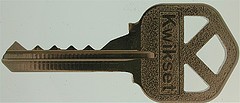
  • Clients should consider installing bump-resistant locks on their doors. “Bumping” is a technique developed recently that can open almost any standard lock with less effort than is required by lock-picking. This technique uses “bump keys,” which are normal keys with slight modifications. Lock companies such as Schlage, Primus and Medeco manufacture a number of locks that offer some bump-resistance.

Pet Doors

  • Pet doors can be used by burglars to enter homes. Some burglars have reached through pet doors in order to unlock the door. It is advisable to not have a pet door, but if one is necessary, it should be as small as possible and installed far from the lock.
  • A crafty burglar may convince or coerce a small child to crawl through a pet door and unlock the door. Also, some burglars are children.
  • Electronic pet doors are available that open only when the pet, equipped with a signaling device in their collar, approaches the door. These doors are designed to keep stray animals out of the home, and may provide protection against burglars, as well.

Sliding Glass Doors

  • They should be equipped with locks on their tops and bottoms.
  • They should not be able to be lifted from their frames.
  • A cut-off broom handle, or a similar device, can be laid into the door track to prevent it from being opened.

Illumination

  • Lights should be installed on the exterior of all four sides of the house. Burglars prefer darkness so they cannot be seen by neighbors or passersby.
  • When building occupants are not home, a few lights should be left on.
  • It is helpful to install exterior lights that are activated by motion sensors. Burglars that are suddenly illuminated may flee.

Windows

  • All windows should be composed of strong glass, such as laminated glass, and be in good operating order.
  • They can be installed with bars, grilles, grates or heavy-duty wire screening. Barred windows must be equipped with a quick-release mechanism so occupants can quickly escape during a fire.
  • Windows should not be hidden by landscaping or structures. If landscaping or structures cannot be moved, lighting can be installed around the windows.

Landscape and Yard

  • Shrubs and trees should not obscure the view of entrances. Shielded entrances can provide cover for burglars while they attempt to enter the residence.
  • Fences are helpful burglar deterrents, although they should not be difficult to see through.

While the house is vacant:

  • A loud radio can be used to make burglars think someone is home. Timers can be used to activate radios and lights to make the home seem occupied.
  • A car should always be parked in the driveway. A neighbor’s car can be parked there so that it appears as if someone is home.
  • The lawn should be cut regularly. Uncut grass is a clue that no one is home.
Other Tips
  • Dogs are excellent burglar deterrents. For clients who cannot own dogs, they can place “Beware of Dog” signs around the yard for nearly the same effect.
  • If no security system is installed, the client can post security alarm stickers around the yard.
In summary, there are a number of tactics that inspectors can pass on to their clients that will help safeguard their homes from break-ins.


Home Repair Rip-Offs

Home Repair Rip-Offs

by Nick Gromicko and Rob London

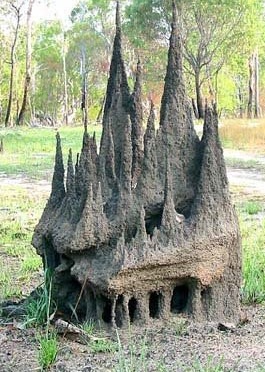
Homeowners have more to worry about than being ripped off by shady contractors in this lagging economy, but such a climate brings desperation — and with it, sadly, fraud. Of course, the majority of tradesmen are generally honest professionals, but there is a large number of unscrupulous contractors who will fix items that don’t need fixing, or grossly overcharge you for services or parts. Worse, there are plenty of con artists posing as tradesmen who will simply take your money and run. Inspectors are often the first ones to uncover such fraud, so they too need to be familiar with its common forms in order to best serve their clients. Yes, this fortress was made by thousands of termites, but it is not evidence that any of them have entered your house.

Some common home repair scams include:

  • roof work. Con artists are known to travel from state to state following natural disasters and looking for victims of storms. Beware of people who suddenly arrive in your neighborhood, offering to fix your roof at a discount. Also, don’t trust a roofer who makes an assessment of a leaky roof from the ground without examining it. Very often, the flashing is all that needs to be replaced, even when the tradesman tries to convince you that you need a whole new roof.
  • driveway sealers.  This time-honored grift has a tradesmen pulling up to your home in his truck and offering to re-seal your driveway using leftover “sealant” from a job “just down the block.”  The low price is unbelievable, and so is the job.  Generally, the sealant is paint or some other cheap, black spray media that will quickly wash away with the next rain.
  • termites. Myths that exaggerate the dangers of termites abound, and homeowners can be easily duped into unnecessary treatment. Ask for prices from more than one company and compare their services. Make sure to get a guarantee that covers you in case termites return within a given period of time. Read the guarantee and the rest of the contract carefully before you sign! Be on guard for the following ruses:
    • The exterminator shows you termites on a fence or woodpile that is not connected to your house. If he were competent and honest, he would know that these termites pose no threat to your home.
    • He (but not you) witnesses “evidence.” Make the exterminator show you the alleged evidence of the infestation. Termite-damaged wood is hollowed out along the grain, with bits of soil or mud lining the galleries.
    • He offers a free termite inspection, and his motives are questionable to begin with. He may bring the evidence to your house with him.
  • chimney sweeps. Beware of any chimney sweep who arrives at your door unannounced, offering to perform his services for a low price. He might say that he’s just worked on your neighbor’s chimney, and offer you a suspiciously low price for a sweep. The inspection will uncover “problems” that quickly balloon the price.
  • HVAC specialists. The most common HVAC rip-offs are replacing parts that work fine and substituting used parts for new ones. If you get suspicious, ask to see the alleged broken parts before they’re replaced, and look at the packaging and documentation for the new parts before they’re installed. If possible, have HVAC work performed in the off-season, as it may be significantly cheaper.
  • plumbers. Parts cost plumbers only a tiny fraction of the total charge for their services, but some plumbers will still cut corners to boost their profit. They may use plastic or low-grade metal, for instance, or 1/2-inch pipe instead of 3/4-inch pipe. Ask what they are installing and how long the parts will last.
  • painters. Some painters agree to use a specific brand of high-quality paint, then pour cheap paint into name-brand cans. Most of the cans the painter brings with him should be sealed when the job is started. If not, ask why. Other painters skimp on the prep work.

Homeowners should heed the following advice whenever they hire a contractor:

  • Go to OverSeeIt.com to find an InterNACHI inspector who will stop by and make sure your construction project is done right.
  • If you are calling a contractor for an estimate and you live in an affluent neighborhood, don’t mention your address or phone number until you get the estimate. You can even call a tradesman in a less wealthy town or neighborhood that’s nearby, as their price will likely be lower than the going rate in your area.
  • Try to negotiate a flat rate if the tradesman has no idea how much the job is going to cost. This is especially helpful in plumbing work, as almost all pipes are hidden behind walls and the job can easily become more complicated than originally planned.
  • Ask if the tradesman charges for travel time. If he does, it may be cheaper to choose someone who is closer. Also ask if he charges for time spent traveling to supply stores.
  • Know your contractor. Be sure he is licensed, and get a written agreement stating the cost and the work to be performed.
  • Beware of any contractor who shows up at your door unannounced or calls you on the phone. Con artists must move every so often to frustrate law enforcement, so they have no fixed address and rely on door-to-door or phone solicitation. For the same reason, their invoices may contain only a P.O. box rather than a street address.
  • Always be wary of a contractor who recommends a particular company or individual after “discovering” a problem, as he will probably receive a kickback for the referral, so you cannot trust his advice.
  • Beware of a contractor who tries to unnecessarily increase the scope of a project. Also known as an upseller, these people will do the following:
    • not offer you a range of options, including cheaper alternatives or work that is different than what you had anticipated; or
    • use scare tactics to persuade you to take his recommendations.
  • Beware of contractors who insist that they are  charging you only for what they paid for the materials, if they are, in fact, making a profit on the materials. Material over-charging is unethical if the contractor lies about it.
  • Beware of material-swapping, in which the contractor will buy premium products and make you reimburse him, but then he returns the product for something cheaper and of lower quality, and pockets the difference. If you suspect material-swapping, you can uncover the farce at the end of the job by comparing the packaging with the products listed on the receipt.
  • Do not give a large down-payment. It may be appropriate to pay a small percentage of the total estimate up front, but if the contractor asks for most (or all) of the money up front, he may be a con artist. Even if he does return to perform the work, he may botch the job or leave it unfinished, leaving you with little power to contest. And, of course, never pay in cash.
  • If you are elderly, be on heightened alert for scammers because you will be targeted more often than your children.
In summary, homeowners and inspectors alike should be wise to the plethora of ways that home repair contractors, or those posing as such, rip off their clients.


Home Insurance Tips


Home Insurance Tips

Why You Need Homeowner’s Insurance

The largest, single investment most consumers make is in their homes. The consumer can protect their home, possessions, and liability with a homeowner’s insurance policy. The homeowner’s insurance policy is a package policy that combines more than one type of insurance coverage in a single policy. There are four types of coverages that are contained in the homeowner’s policy: dwelling and personal property; personal liability; medical payment; and additional living expenses.

Property Damage Coverage

Property damage coverage helps pay for damage to your home and personal property. Other structures, such as a detached garage, a tool shed, and any other building on your property are usually covered for 10% of the amount of coverage on your house.

Personal property coverage will pay for personal property, including household furniture, clothing, and other personal belongings. The amount of insurance coverage is usually 50% of the policy limit on your dwelling. The coverage is also limited by the types of loss listed in the policy. The coverage only pays the current cash value of the item destroyed, unless you purchase “replacement cost” coverage. Your homeowner’s policy also provides off-premises coverage. This means that the policy covers your belongings against theft even when they are not inside your home.

Personal Liability Coverage

Homeowners’ policies provide personal liability coverage that applies to non-auto accidents on and off your property if the injury or damage is caused by you, a member of your family, or your pet. The liability coverage in your policy pays both for the cost of defending you and paying for any damages that a court rules you must pay. Liability insurance does not have a deductible that you must meet before your insurer begins to pay losses. The basic liability coverage is usually $100,000 for each occurence. You can request higher limits that are available for an additional cost.

Medical Payment Coverage

Medical payment coverage pays if someone outside your family is injured at your home, regardless of fault. This includes payment for reasonable medical expenses incurred within one year from the date of loss for a person who is injured in an accident in your home. The coverage does not apply to you and members of your household. The medical-payments portion of your homeowner’s policy will also pay if you are involved in the injury of another person away from your home in some limited circumstances. Medical payments coverage limits are generally $1,000 for each person.

Additional Living Expenses

If it is necessary for you to move into a motel or apartment temporarily because of damage caused by a peril covered in your policy, your insurance company will pay an amount up to 20% of the policy limit on your dwelling for these expenses. If you move in temporarily with a friend or relative and do not have any extra expenses, you will not be paid any addditional living expenses by your insurance company.

Home Business

If you operate a home business full- or part-time, you might be uninsured and not realize it. Many home business owners believe that their homeowner’s insurance policy covers all of their home business needs. You should not assume that your homeowner’s insurance policy will cover your home business. Your homeowner’s policy may provide coverage, but probably only a maximum of $2,500 for business equipment in the home, and $250 away from the premises.

The price you pay for your homeowner’s insurance can vary by hundreds of dollars, depending on the insurance company you buy your policy from. Here are some things to consider when buying homeowner’s insurance.

1. Shop around.

It will take some time, but could save you a good sum of money. Ask your friends, check the Yellow Pages, and contact your state insurance commission. The National Association of Insurance Commissioners has information to help you choose an insurer in your state, including complaints that are filed by consumers. States often make information available on typical rates charged by major insurers, and many states provide the frequency of consumer complaints by company. Also check consumer guides, insurance agents, companies, and online insurance quote services. This will give you an idea of price ranges and tell you which companies have the lowest prices. But don’t consider price alone. The insurer you select should offer a fair price and deliver the quality of service you would expect if you needed assistance in filing a claim. So, in assessing service quality, use the complaint information from state regulatory agencies and talk to a number of insurers to get a feeling for the type of service they provide. Ask them what they would do to lower your costs. When you’ve narrowed the field to three insurers, get price quotes.

2. Raise your deductible.

Deductibles are the amount of money you have to pay toward a loss before your insurance company starts to pay a claim, according to the terms of your policy. The higher your deductible, the more money you can save on your premiums. Nowadays, most insurance companies recommend a deductible of at least $500. If you can afford to raise your deductible to $1,000, you may save as much as 25%. Remember, if you live in a disaster-prone area, your insurance policy may have a separate deductible for certain kinds of damage. If you live near the coast in the East, you may have a separate windstorm deductible; if you live in a state vulnerable to hailstorms, you may have a separate deductible for hail; and if you live in an earthquake-prone area, your earthquake policy has a deductible. 

3. Don’t confuse what you paid for your house with rebuilding costs.

The land under your house isn’t at risk from theft, windstorm, fire and the other perils covered in your homeowner’s policy. So don’t include its value in deciding how much homeowner’s insurance to buy. If you do, you will pay a higher premium than you should.

4. Buy your home and auto policies from the same insurer.

Some companies that sell homeowner’s, auto and liability coverage will take 5% to 15% off your premium if you buy two or more policies from them. But make certain this combined price is lower than buying the different coverages from different companies.

5. Make your home more disaster-resistant.

Find out from your insurance agent or company representative what steps you can take to make your home more resistant to windstorms and other natural disasters. You may be able to save on your premiums by adding storm shutters, reinforcing your roof, and buying stronger roofing materials. Older homes can be retrofitted to make them better able to withstand earthquakes. In addition, consider modernizing your heating, plumbing and electrical systems to reduce the risk of fire and water damage.  Even small measures, such as keeping a fire extinguisher in your kitchen, will often qualify you for a discount on your premiums and save you money in the long run.

6. Improve your home security.

You can usually get discounts of at least 5% for a smoke detector, burglar alarm and dead-bolt locks. Some companies offer to cut your premium by as much as 15% to 20% if you install a sophisticated sprinkler system and a fire and burglar alarm that rings at the police, fire or other monitoring stations. These systems aren’t cheap, and not every system qualifies for a discount. Before you buy such a system, find out what kind your insurer recommends, how much the device would cost, and how much you’d save on premiums.

7. Seek out other discounts.

Companies offer several types of discounts, but they don’t all offer the same discount or the same amount of discount in all states. For example, since retired people are at home more than working people, they are less likely to be burglarized and may spot fires sooner, too. Retired people also have more time for maintaining their homes. If you’re at least 55 years old and retired, you may qualify for a discount of up to 10% at some companies. Some employers and professional associations administer group insurance programs that may offer a better deal than you can get elsewhere.

8. Maintain a good credit record.

Establishing a solid credit history can cut your insurance costs. Insurers are increasingly using credit information to price homeowners’ insurance policies. In most states, your insurer must advise you of any adverse action, such as a higher rate, at which time you should verify the accuracy of the information on which the insurer relied. To protect your credit standing, pay your bills on time, don’t obtain more credit than you need, and keep your credit balances as low as possible. Check your credit record on a regular basis, and rectify any errors promptly so that your record remains accurate.

9. Stay with the same insurer.

If you’ve kept your coverage with a company for several years, you may receive a special discount for being a long-term policyholder. Some insurers will reduce their premiums by 5% if you stay with them for three to five years, and by 10% if you remain a policyholder for six years or more. But make certain to periodically compare this price with that of other policies.

10. Review the limits in your policy and the value of your possessions at least once a year.

You want your policy to cover any major purchases or additions to your home. But you don’t want to spend money for coverage you don’t need. If your five-year-old fur coat is no longer worth the $5,000 you paid for it, you’ll want to reduce or cancel your floater — defined as extra insurance for items whose full value is not covered by standard homeowners’ policies, such as expensive jewelry, high-end computers and valuable art work — and pocket the difference.

11. If you are in a government plan, look for private insurance.

If you live in a high-risk area — say, one that is especially vulnerable to coastal storms, fires or crime — and have been buying your homeowner’s insurance through a government plan, you should check with an insurance agent or company representative, or contact your state commission of insurance for the names of companies that might be interested in your business. You may find that there are steps you can take that would allow you to buy insurance at a lower price in the private market.

12. When you’re buying a home, consider the cost of homeowner’s insurance.

You may pay less for insurance if you buy a house close to a fire hydrant or in a community that has a professional rather than a volunteer fire department. It may also be cheaper if your home’s electrical, heating and plumbing systems are less than 10 years old. If you live in the East, consider a brick home because it’s more wind-resistant. If you live in an earthquake-prone area, look for a wooden frame house because it is more likely to withstand this type of disaster. Choosing wisely could cut your premiums by 5% to 15%.

Check the CLUE (Comprehensive Loss Underwriting Exchange) report of the home you are thinking of buying. These reports contain the insurance-claim history of the property and can help you judge some of the problems the house may have. Remember that flood insurance and earthquake damage are not covered by a standard homeowner’s policy. If you buy a house in a flood-prone area, you’ll have to pay for a flood insurance policy that costs an average of $400 a year. The Federal Emergency Management Agency (FEMA) provides useful information on flood insurance on its Web site at www.fema.gov/nfip. A separate earthquake policy is available from most insurance companies. The cost of the coverage will depend on the likelihood of earthquakes in your area.

If you have questions about insurance for any of your possessions, be sure to ask your agent or company representative when you’re shopping around for a policy. For example, if you run a business out of your home, be sure to discuss coverage for that business. Most homeowners’ policies cover business equipment in the home, but only up to $2,500, and they offer no business liability coverage. Although you want to lower your homeowner’s insurance cost, you also want to make certain you have all the coverage you need.

Common Questions Asked by Homeowners About Insurance

If a fire, flood, earthquake, or some other natural disaster were to damage or destroy your home, would you have the right insurance coverage to rebuild your house? Based on the questions consumers ask most frequently, this list explains what is and is not covered in a standard homeowner’s policy. Where gaps in coverage exist, it tells you how to fill them. To simplify explanations, assume that you have a policy known as Homeowners-3 (HO-3), the most common type of homeowner’s policy in the United States. Find out what type of homeowner’s policy you have. If you have a different policy, you should review your options in question #17.

1.  Am I covered for direct losses due to fire, lightning, tornadoes, windstorms, hail, explosions, smoke, vandalism and theft?

Yes. The HO-3 provides broad coverage for these and other disasters or “perils,” as they are called in the policy, including all those listed in the question. You should check the dollar limits of insurance in your policy, and make sure you are comfortable with the amount of insurance you have for specific items. Also, if you live near the Atlantic or Gulf Coasts, there may be some restrictions on your coverage for wind damage. Ask your agent about windstorm/hurricane deductibles. In areas prone to hailstorms, you may have a specific hail-damage deductible.

2.  Are my jewelry and other valuables covered?

The standard policy provides only from $1,000 to $2,000 for theft of jewelry. If your jewelry is worth a lot more, you should purchase higher limits. You may wish to add a floater to your policy to cover specific pieces of jewelry and other expensive possessions, such as paintings, electronic equipment, stamp collections and silverware, for example. The floater will provide both higher limits and protect you from additional risks not covered in your standard policy.

3.  If my house is totally destroyed in a fire and I have $150,000 worth of insurance to cover the structure, will this be enough to rebuild my home?

If the cost of rebuilding your home is less than or equal to $150,000, you would have enough coverage. The HO-3 policy pays for structural damage on a replacement-cost basis. If the cost of replacing your home is, say, $120,000, then that is all the insurance you need. On the other hand, if the cost of rebuilding your home is $180,000, then you will be short $30,000.

If you live in an area that is frequently hit by major storms, ask your insurance company about an extended or guaranteed replacement-cost policy. This will provide a certain amount over the policy limit to rebuild your home, so that if building costs go up unexpectedly due to high demand for contractors and materials, you will have the extra funds to cover the bill.

If you choose not to rebuild your home, you will receive the replacement cost of your home, less depreciation. This is called “actual cash value.” You should make sure that the amount of insurance you have will cover the cost of rebuilding your house. You can find out what this cost is by talking to your real estate agent or builders in your area.

Do not use the price of your house as the basis for the amount of insurance you purchase. The market price of your house includes the value of the land on which the house sits. In almost all cases, the land will still be there after a disaster, so you do not need to insure it. You only need to insure the structure.

4.  Am I automatically covered for flood damage?

No. If you live in a flood-prone area, it may be wise to purchase flood insurance. Flood insurance is provided by the federal government under a program run by the Federal Insurance Administration. In some parts of the country, homes can be damaged or destroyed by mudslides. This risk is also covered under flood policies. Contact your agent or company representative to get this insurance, or call the FEMA at 1-800-427-4661 or visit www.fema.gov.

5.  If a pipe bursts and water flows all over my floors, am I covered?

Yes. The HO-3 covers you for accidental discharge of water from a plumbing system. You should check your plumbing and heating systems once a year. While you are covered for damage, who needs the mess and hassle?

6.  What if water seeps into my basement from the ground — am I still covered?

No. Water seepage is excluded under the HO-3. And if the water seepage is not due to a flood, you will not be covered under a flood policy. Seepage is viewed as a maintenance issue and is not covered by insurance. You should see a contractor about waterproofing your basement.

7.  Am I automatically covered for earthquake damage?

No. Earthquake coverage is sold as additional coverage to the homeowner’s policy. To find out whether you should buy this insurance, talk to your agent or company representative. The cost of this coverage can vary significantly from one area to another, depending on the likelihood of a major earthquake.

8.  A neighbor slips on my sidewalk or falls down my porch steps and threatens to take me to court for damages. Does my policy protect me?

Yes. The policy will pay for damages if a fall or other accident on your property is the result of your negligence. It will also pay for the legal costs of defending you against a claim. Also, the medical-payments part of your homeowner’s policy will cover medical expenses if a neighbor or guest is injured on your property. You should check to see how much liability protection you have. The standard amount is $100,000. If you feel you need more, consider purchasing higher limits.

9.  A tree falls and damages my roof during a storm. Am I covered?

Yes. You are covered for the damage to your roof. You are also covered for the removal of the tree, generally up to a limit of $500. You should cut down dead or dying trees close to your house and prune branches that are near your house. It’s true that your insurance covers damage, but falling trees and branches can also injure your family. Ask your InterNACHI inspector about problem trees during your next inspection. 

10.  During a storm, a tree falls but does no damage to my property. Am I covered for the cost of removing the tree?

Your trees and shrubs are covered for losses due to risks such as vandalism, theft and fire, but not wind damage. However, if a fallen tree blocks access to your home, you may be covered for its removal. Decide if you need extra insurance for the trees, plants and shrubs on your property. You may be able to purchase extra insurance which will not only cover the cost of removing fallen trees, but will also cover the cost of replacing trees and other plants. 

11.  If a storm causes a power outage and all the food in my refrigerator and freezer is spoiled and must be thrown out, can I make a claim?

The general answer is no. However, there are a number of exceptions. In some states, food spoilage is covered under the homeowner’s policy. In addition, if the power loss is due to a break in a power line on or close to your property, you may be covered. You should check with your agent to find out whether you are covered for food spoilage in your state. If not, you can add food-spoilage coverage to your policy for an additional premium. 

12.  My children are away at college. Are they covered by my homeowner’s insurance?

If they’re full-time college students and part of your household, your insurance generally provides some coverage in a dorm, typically 10% of the contents’ limit. If they live off-campus, some companies may not provide this limited coverage if the apartment is rented in the student’s name.

13.  My golf clubs were stolen from the trunk of my car. Does my homeowner’s policy cover the loss?

Yes. The HO-3 covers your personal property while it is anywhere in the world. However, if your golf clubs are old, you will get only their current value, which may not be enough to purchase a new set. Consider buying a replacement-cost endorsement for your personal property. This way, you will get what it costs to replace the golf clubs, less your deductible.

14.  I have a small power boat. If it is stolen, am I covered? What if there is a boating accident and I get sued? Am I covered for that?

Whether or not you are covered for either theft or liability depends on the size of the boat, the horsepower of the engine, and your insurance company. Coverage for small boats under homeowners’ policies varies significantly. Ask your insurance representative whether you need a boat owner’s policy.

15.  My house is close to the ocean. I’ve heard that if it is destroyed by the wind, the town’s new building code requires me to rebuild the house on stilts. This will add $30,000 to the cost of rebuilding my house. Am I covered for this extra cost?

No. The HO-3 excludes costs mandated by ordinances and laws that regulate the construction of buildings. You can purchase an ordinance or law endorsement. This will cover the extra costs involved in meeting new building codes.

16.  Am I covered for “acts of God”?

Sometimes. The term “acts of God” is not specifically mentioned in homeowners’ insurance policies. It usually refers to natural disasters, such as hurricanes and tornadoes, as opposed to man-made acts, such as theft and auto accidents. Some natural disasters, such as damage from windstorms, hail, lightning, and volcanic eruptions, are covered under homeowner’s insurance. Damage from floods and earthquakes is not.

17.  What should I do if my policy provides less coverage than the HO-3?

Review your coverage with your agent. Some older policies provide less coverage than the HO-3. They may not provide coverage for water damage, theft or liability. They may also provide coverage for the house on an actual cash-value basis, rather than a replacement-cost basis.

“Actual cash value” means replacement cost less depreciation. For example, if your roof is destroyed in a storm, the insurance will pay only for the cost of a new roof less the amount of depreciation of the old roof. If your roof was in great shape, this deduction will not be large. However, if the roof was old and worn out, the deduction for depreciation may be significant. You should try to get an HO-3.